Leather Jacket Styling for Spring and Summer 2026
The leather jacket has always been a fall garment. Not anymore. The 2026 iteration is thinner, lighter, cropped higher, and cut for exactly the seventy-degree evenings that used to leave a wardrobe stranded between a knit and a coat.


The winter shearling still exists. But the story this year is the reinvented spring-summer leather — feather-light lambskin, cropped or waist-length, in colors that stretch well beyond the classic black. Tan, bone, chocolate, dove grey, and washed cognac have all appeared on the spring 2026 runways, and they behave beautifully as a lightweight layer over the summer dresses and rib tanks that dominate the season.
What Makes a Leather Jacket 'Summer'
Weight
A summer leather is unlined or half-lined and cut from a thinner hide — lambskin, deerskin, or a supple washed cowhide. It should fold into a small bag and feel breathable across the shoulders. Anything with a heavy quilted lining or a fleece collar belongs to a colder season.
Length
The 2026 shape is either cropped (ending at the natural waist) or bomber-length (ending at the hip). The mid-thigh moto jacket has quietly stepped back — it reads too heavy for the current spring silhouette.
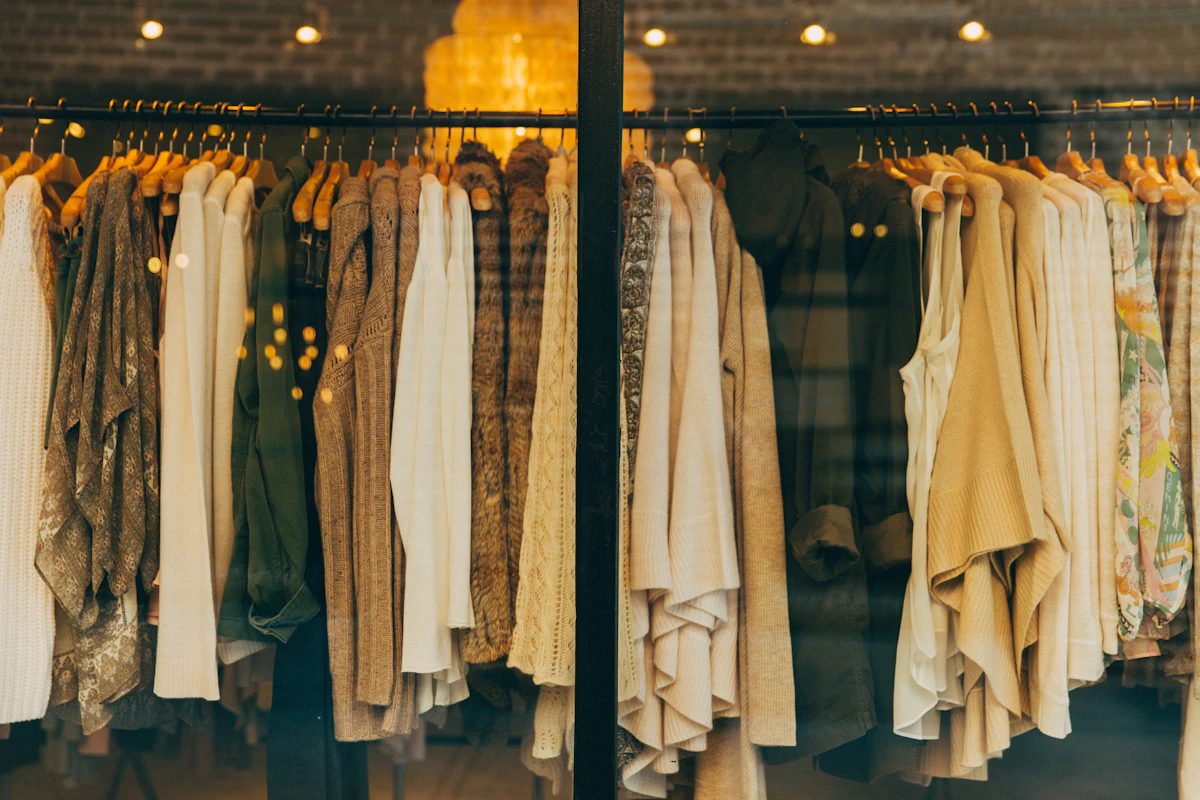
Colors That Wear All Summer
Black still works, but the strongest colors this year are soft tan, bone, and washed cognac. All three integrate seamlessly with slip dresses, rib tanks, denim, and tailored trousers. Chocolate and dove grey are the sleeper picks — quieter than black, richer than tan, and photograph beautifully in every kind of light.
Three Styling Formulas
Formula One — Cropped Leather + Slip Dress
A bias-cut silk slip dress with a cropped soft-tan leather jacket over the shoulders and ballet flats. The single most-photographed street-style outfit of the year.
Formula Two — Bomber + Wide-Leg Trouser
A bone unlined leather bomber, a rib tank, wide-leg cream trousers, and minimal white leather sneakers. Reads polished for a weekend flight, a gallery visit, or a summer-evening dinner.
Formula Three — Moto + Denim + Jersey
The Blokecore crossover: a chocolate washed-leather moto over a tucked football jersey, high-rise straight-leg jeans, and pointed leather loafers. Downtown, current, unmistakable.
Care — the Detail Most People Skip
A summer leather jacket lives or dies by its treatment. Condition twice a year with a leather cream (not oil), hang on a padded hanger, and never dry-clean unless the label specifies. The right care will keep a good jacket wearable for fifteen years — which, at the price of quality leather, is the calculation that makes the purchase worth it.
The US Market Picture: A Lighter, Softer Jacket Season
The leather jacket that sold through the American spring and summer of 2026 is not the heavy, hardware-loaded biker of previous cycles. It is lighter — lamb and goat rather than cow — softer in the shoulder, and cut either cropped and boxy or long and fluid. Colour widened beyond black into chocolate, bone, and oxblood, and the moto details were dialled down to a single zip and a clean collar.
That change is driven by how Americans actually wear the piece now: over a slip dress in June, over a rib tank and wide-leg denim in August, over tailoring in September. A jacket asked to work across three seasons has to be lighter than 1.4 millimetres of hide, and the market adjusted accordingly.
Leather, Certification, and Care
Leather is the one category where certification maps almost perfectly onto quality. Leather Working Group audits tanneries on chemical management, water, and traceability, and a Gold-rated tannery is a genuine mark of both environmental and craft standards. Vegetable tanning is the finer finish and ages best. Among alternatives, the credible ones are the cactus and mycelium-based materials with published composition; PU-coated polyester remains the weakest option in both durability and footprint.
| Material | Typical specification | Certification to look for | Care |
|---|---|---|---|
| Lamb nappa | 0.7–0.9 mm lambskin | Leather Working Group Gold | Condition twice a year, hang on a broad hanger, never store in plastic |
| Goat suede | 0.8–1.0 mm goatskin, vegetable tanned | Leather Working Group | Brush with a suede brush, protect before first wear, keep dry |
| Full-grain calf | 1.0–1.2 mm calfskin | Leather Working Group Gold, vegetable tanned | Wipe clean, condition annually, expect patina |
| Cactus-based alternative | Nopal cactus with bio-polyurethane | USDA BioPreferred or published composition | Wipe with damp cloth, avoid heat and solvents |
Fit checkpoints in the mirror
- The shoulder seam should sit on the bone; nothing else about the fit is fixable.
- Zip it fully closed — a jacket that pulls at the bust when closed is the wrong size, however it looks open.
- Cropped jackets should end at the high hip, above the widest point.
- Sleeves at the wrist bone, not over the hand; a good tailor can shorten from the shoulder if needed.
The Jacket as a Capsule Anchor
A well-chosen leather jacket is one of the few garments that improves with use and connects to nearly everything else in a wardrobe. Over a floral bias midi it prevents the print from turning saccharine. Over tailored loungewear it converts a soft outfit into a street one. Over rigid straight denim and a white tank it is the most reliable American off-duty uniform there is.
Buy chocolate or bone if you already own black; buy black if this is your first. Then spend the money you saved on hardware detailing on conditioning and, one day, on a proper repair. This is meant to be the jacket that outlasts every trend discussed in this series.
Frequently Asked Questions
- Isn't a leather jacket too hot for summer?
- Not the current generation. A thin unlined or half-lined lambskin or deerskin jacket weighs almost nothing and breathes across the shoulders. Wear it for the seventy-degree evenings, and keep it in your bag for the cool restaurant interior.
- What's the best leather jacket color for a small wardrobe?
- Soft tan or washed cognac. Both colors pair with black, cream, chocolate, denim, and every neutral you already own — and they photograph as intentional rather than seasonal.
- How much should I spend on a summer leather jacket?
- A well-made lambskin or deerskin jacket from a reputable label falls between six hundred and two thousand dollars. Vintage from consignment can drop that meaningfully. A cheaper leather will crack within a season; the investment holds its shape and value for a decade.
- Is a leather jacket too warm for summer?
- Not in lamb or goat at under one millimetre, worn open in the evening. Summer leather is an evening layer rather than an all-day coat, which is exactly how the lighter 2026 cuts are designed to be used.
- How should I store a leather jacket between seasons?
- On a broad wooden or padded hanger, in a breathable cotton garment bag, away from direct sunlight and never in plastic. Condition it before storage rather than after, so the leather rests supple.
- skinny-jeans-alternatives — the denim to wear underneath
- world-cup-jersey-styling — the Blokecore crossover
- our-lookbook — full outfit references