The New Rules of Power Dressing: Soft Tailoring Explained Soft Tailoring Explained
As executive wardrobes undergo a radical re-architecting for Fall 2026, soft tailoring emerges not merely as a temporary stylistic pivot, but as the permanent foundation of contemporary power dressing, blending unconstructed Italian drape with unyielding sartorial precision for the discerning modern leader.

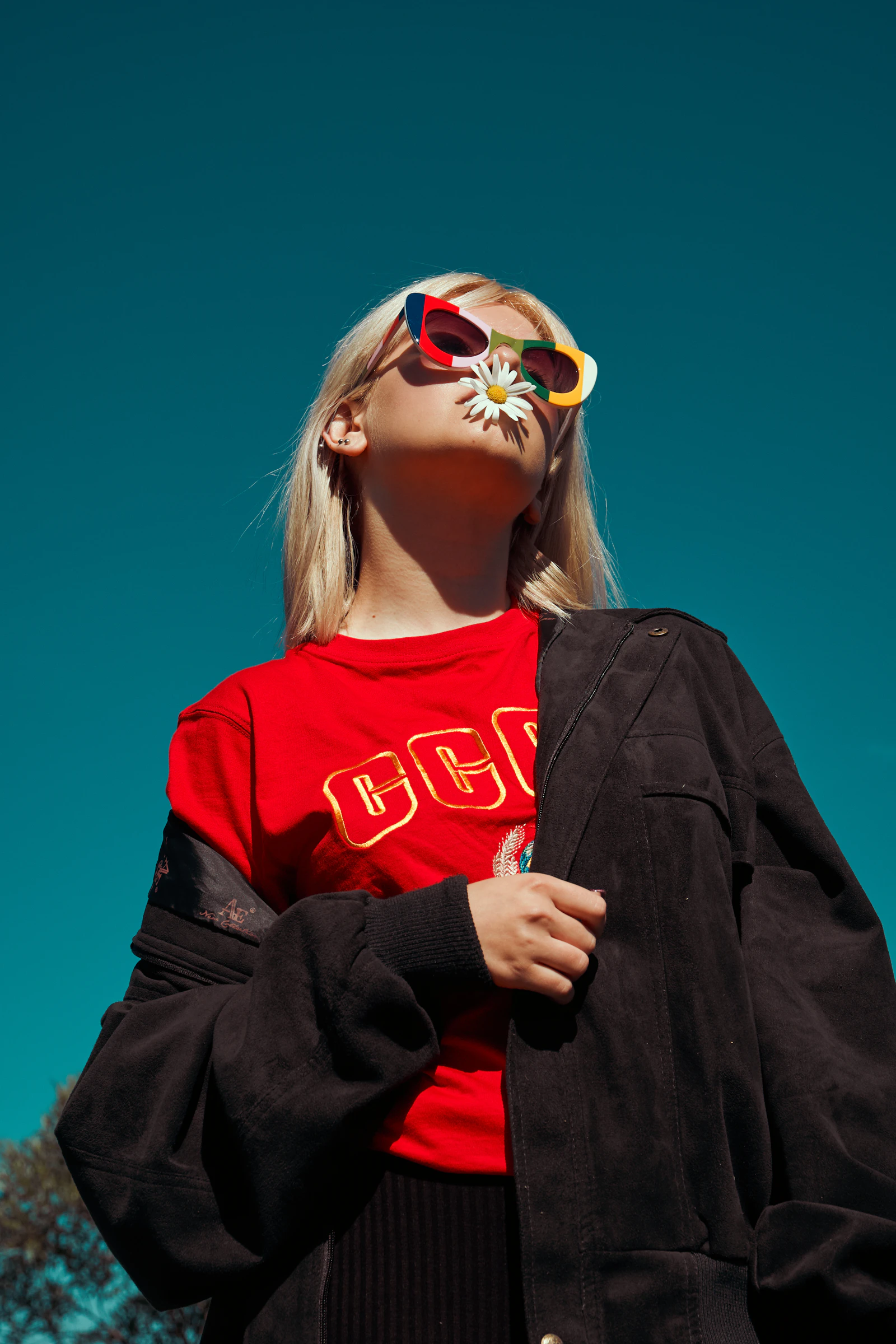
The Sartorial Paradigm Shift: From Armor to Architecture
For decades, the executive uniform relied heavily on structural armor—rigid shoulder pads, stiff canvasing, and dense, unforgiving wool weaves designed to project power through sharp, aggressive geometric boundaries. In the August/Fall 2026 landscape, power dressing has discarded this defensive posture in favor of fluid, unconstructed architecture that yields to the human form rather than constraining it. This evolution marks a decisive shift in how modern women navigate high-stakes environments, replacing the theatricality of 1980s shoulder pads with subtle, precision-engineered drape. Soft tailoring does not signal a lack of structure; rather, it demands a higher order of pattern-making where fabric weight, grainline alignment, and seam tension work harmoniously to create presence without physical restriction.
The Historical Evolution of the Female Silhouette
Historically, tailoring for women oscillated between hyperbolic masculine mimicry and exaggerated feminine cinching. Today’s sartorial landscape draws inspiration from mid-century couture masters who understood that liberation begins with movement. By removing stiff fusing and synthetic chest pieces, contemporary designers allow natural fibers to behave dynamically. This transition reflects broader cultural changes across Sag Harbor retreats, Manhattan boardrooms, and Aspen summits, where success is measured by ease, capability, and authentic self-possession rather than rigid compliance to outdated corporate uniforms. The new silhouette celebrates shoulder naturalism, elongated lapel lines, and fluid trousers that gracefully sweep across the floor with every stride.
Deconstruction as the Ultimate Refinement
To deconstruct a suit jacket is actually far more challenging than to build a padded one. Without internal padding to conceal structural flaws, every seam line, bias cut, and stitch tension is completely exposed. True mastery in modern tailoring requires impeccable hand-finishing, delicate French seams, and edge-stitching that allows the drape to fall naturally around the natural contours of the body. When observing the best women's fashion trends 2026 has brought to light, this emphasis on invisible craftsmanship stands as the ultimate hallmark of discernment. It is a quiet rebellion against mass-produced stiffness, offering instead a garment that feels like a bespoke second skin.

Material Science & Sustainable Textile Innovation
The cornerstone of any elevated, soft-tailored silhouette is the structural integrity of its raw materials. Without heavy synthetic interfacings to force shape, the fabric itself must perform double duty: offering enough body to hold a clean, architectural line while maintaining the softness required for fluid movement. Fall 2026 marks an unprecedented convergence of high-performance textile engineering and rigorous environmental stewardship. Leading fashion houses are stepping away from petroleum-derived synthetics, prioritizing traceable, circular fibers certified by global authorities such as GOTS (Global Organic Textile Standard) and OEKO-TEX Standard 100.
Traceable Fibers and Structural Fluidity
Achieving an effortless drape without sacrificing durability demands precise blending techniques. High-grade virgin wools are now interwoven with mulberry silk or Tencel lyocell to impart a subtle, liquid luminosity that catches the light naturally. Organic linen, when combined with long-staple cotton or sustainable hemp, loses its historical tendency to wrinkle excessively, gaining instead a tactile, vintage weight that feels grounded and luxurious. These sustainable luxury clothing textiles are meticulously engineered to regulate temperature, ensuring that a double-breasted soft blazer transitions seamlessly from high-altitude Aspen meetings to warm afternoon engagements along the coast.
The Technical Superiority of Cupro and Tencel
Inside an unconstructed jacket, the lining selection is as critical as the exterior shell. Synthetic polyester linings trap heat and create static friction, destroying the fluid motion of a soft silhouette. Modern luxury houses utilize premium cupro—a biodegradable fiber regenerated from cotton linter—and Tencel lyocell for interior linings and soft bias trimmings. Cupro offers the silky glide and breathability of pure silk with enhanced durability and machine-washable resilience. By opting for these cellulosic fibers, soft tailored garments breathe naturally against the skin, maintaining microclimate comfort throughout demanding, twelve-hour itineraries.
Certification Standards in Modern Luxury
True luxury in 2026 is defined by radical transparency and ecological accountability. GOTS certification guarantees that organic cotton and linen fibers are cultivated without toxic pesticides, synthetic fertilizers, or hazardous chemical dyes, protecting both agricultural ecosystems and human health. Simultaneously, OEKO-TEX Standard 100 testing verifies that every thread, button, and zipper is entirely free from harmful chemical residues. Investing in garments backed by these certifications ensures that your modern capsule wardrobe is not only aesthetically impeccable, but also fundamentally safe, ethical, and built to withstand years of continuous rotation.
Anatomy of Soft Tailoring: Construction Mechanics
To fully appreciate soft tailoring, one must inspect the garment from the inside out. Traditional power suits rely on fused interfacing—a process where synthetic glue bonds fabric to stiff stiffening layers under high heat. Over time, heat and dry cleaning break down this glue, resulting in unsightly bubbling and rigid draping. Soft tailoring replaces fused construction with floating half-canvas or completely unlined interiors. The canvas, traditionally crafted from natural horsehair and linen, floats freely between the outer shell and lining, allowing the blazer to mould uniquely to the wearer’s body over time through body heat and movement.
Shoulders, Canvas, and Internal Engineering
The defining characteristic of soft tailoring resides in the shoulder line. Traditional roped or heavily padded shoulders are replaced with 'spalla camicia' (shirt-sleeve shoulder) or drop-shoulder construction, allowing the fabric to cascade naturally along the body’s shoulder slope. Horn buttons, harvested ethically as agricultural bi-products, are anchored with counter-buttons on the interior to prevent fabric tear. Seam allowances are bound with bias-cut silk or cupro tape, ensuring that unlined jackets look as refined on the inside as they do on the exterior. This uncompromising attention to internal mechanics ensures that the garment maintains its structural poise across years of wear.

Styling Formulas for the Modern Executive
Mastering the art of soft tailoring requires a thoughtful balance between structure and fluidity. Because these garments lack rigid internal bones, successful styling relies on playing with proportions, textures, and tonality. A quiet luxury style guide always prioritizes clean lines and high-quality bases that let the tailors' skill shine. Whether preparing for board meetings or transitioning into evening dinner engagements, the modern executive uses soft tailoring to project an aura of calm, organized competence that feels wholly authentic and unforced.
The Monochromatic Column Formula
The most powerful way to anchor soft tailoring is through monochromatic tonal dressing. Pair wide-leg trousers crafted from fluid GOTS-certified organic cotton-wool twill with a matching unconstructed double-breasted jacket in oat, stone, or deep espresso. Beneath the jacket, layer a fine-gauge mulberry silk crewneck or Tencel jersey shell in an identical hue. This creates an uninterrupted vertical line that elongates the frame while allowing the tactile variation between silk, wool, and linen to provide subtle visual depth.
- Pair fluid wide-leg pleat-front trousers with an unlined single-button blazer in matching taupe or cream for timeless elegance.
- Layer a fine-gauge mulberry silk tank beneath a unstructured double-breasted jacket to create tonal contrast and subtle luster.
- Ground relaxed tailoring with butter-soft calfskin loafers or pointed leather slides for effortless off-duty outfits.
- Define the waist gently using an unbuckled leather sash or self-fabric tie rather than a rigid, hard-hardware belt.
High-Low Contrast Engineering
Soft tailoring shines brightest when combined with high-low sartorial elements to create effortless off-duty outfits. Throw an unconstructed oversized blazer over a crisp, white organic cotton poplin button-down shirt and relaxed straight-leg denim for a weekend gallery walkthrough or late afternoon lunch. The structured collar of the poplin shirt provides a sharp focal point near the face, while the softness of the jacket and denim preserves a casual, approachable demeanor. Finish the look with minimalist leather footwear and refined gold jewelry.
Fabric & Care Masterclass
Proper maintenance of unconstructed luxury garments is essential to preserve their natural drape and longevity. Unlike traditional fused suits that deteriorate under steam, soft-tailored pieces composed of high-grade natural fibers respond extraordinarily well to gentle steam and proper resting periods between wears.
| Fabric | Composition | Sustainability Index | Care |
|---|---|---|---|
| GOTS Organic Cotton Twill | 100% GOTS Certified Cotton | High (Zero Synthetic Pesticides) | Machine wash cold gentle cycle, line dry in shade |
| Organic Linen-Silk Blend | 60% Organic Linen, 40% Mulberry Silk | High (Biodegradable & Low Water Use) | Dry clean mild process or delicate hand wash cold |
| Tencel Lyocell Tailoring | 100% Tencel Lyocell | High (Closed-Loop Wood Pulp) | Machine wash cool gentle, reshape and hang dry |
| Virgin Wool & Cashmere Double-Face | 90% Responsible Wool, 10% Cashmere | Medium-High (Traceable Animal Welfare) | Professional dry clean only, steam between wears |
| Cupro Lining Satin | 100% Cupro (Cotton Linter Waste) | High (Circular Cotton Byproduct) | Hand wash cold or eco dry clean |

Building the 2026 Soft Capsule Wardrobe
Curating a modern capsule wardrobe around soft tailoring requires selecting versatile foundation pieces that interlock effortlessly. Rather than accumulating seasonal fast-fashion items, focus on building an elastic wardrobe core that services corporate, travel, and leisure environments with equal grace. Key investments include an unconstructed blazer in a neutral shade, wide-leg fluid trousers, a bias-cut slip skirt in heavy silk, and pristine organic cotton knits.
- The Unconstructed Blazer: A mid-weight, double-breasted style in oat or navy crafted from OEKO-TEX certified wool-linen.
- The Fluid Wide-Leg Trouser: High-waisted, double-pleated trousers in draped Tencel or organic cotton twill that move fluidly.
- The Mulberry Silk Shell: A minimal sleeveless top for effortless layering under unlined blazers.
- The Tailored Trench Coat: An unlined, lightweight coat in organic weather-proof cotton for transitional weather elegance.
Investment Realities and Price-Tier Valuation
When analyzing price-tier reasoning for sustainable luxury clothing, high initial price points reflect deep investments in ethical labor, premium organic agriculture, and time-intensive manual garment assembly. Cheap tailoring relies on synthetic glues and stiff interfacings precisely because they bypass hand-stitching and pattern accuracy. Conversely, soft tailoring requires master pattern makers who adjust cuts to the exact natural fall of natural fibers. When you invest in a floating canvas or unlined GOTS-certified suit, you are paying for durability, repairability, and timeless aesthetic relevance that spans decades rather than seasons.
From a cost-per-wear perspective, soft tailored pieces deliver far higher long-term value than rigid, trend-driven suits. Their inherent comfort encourages frequent wear across diverse settings—from corporate presentations to weekend travel—ensuring your investment yields daily stylistic dividends. Furthermore, natural mono-materials and high-grade organic blends age gracefully, developing a soft, personalized patina over time without suffering from the bubbling, peeling, or fabric degradation common in lower-tier structured garments.
The Future of Executive Dressing
As we look beyond Fall 2026, the boundaries between formal executive wear and casual luxury continue to dissolve. Soft tailoring represents the mature synthesis of these two worlds—a testament to the fact that power no longer requires physical discomfort or rigid sartorial postures. By prioritizing traceable materials, master-level unconstructed tailoring, and organic fluid shapes, modern women are asserting their authority with understated elegance and effortless grace.
Frequently Asked Questions
- What is the key difference between traditional tailoring and soft tailoring?
- Traditional tailoring relies on rigid shoulder pads, heavy canvasing, and fused synthetic interfacings to hold a sharp shape. Soft tailoring removes or minimizes these rigid interior layers, relying instead on high-grade natural fabrics, fluid drape, and unconstructed shoulders for a comfortable, modern silhouette.
- How should a soft tailored blazer fit at the shoulders?
- A soft tailored blazer should follow the natural slope of your shoulder without overhang or sharp padding protrusion. The seam should sit right at your natural shoulder point or drop slightly for a relaxed, modern aesthetic that allows full arms movement.
- Are soft tailored suits appropriate for formal corporate environments?
- Yes, absolutely. When rendered in high-quality wool blends, heavy organic cotton twill, or rich silk-linen, soft tailoring looks exceptionally sophisticated and polished. The key is immaculate fabric drape, sharp lapel lines, and precise tailoring at the waist and hem.
- How do I care for unconstructed blazers made of silk or organic linen blends?
- Avoid frequent dry cleaning, as harsh chemicals can weaken natural fibers. Instead, air out your blazer after wearing and use a garment steamer to gently refresh the fabric and remove creases. Always store on wide, padded wooden hangers to maintain the shoulder shape.
- Why is soft tailoring considered more sustainable?
- Soft tailoring relies predominantly on natural mono-materials and bio-based fibers like GOTS organic cotton, linen, silk, and Tencel rather than petroleum-based synthetic linings and fused plastic glues. This natural construction makes the garments more breathable, durable, and easier to recycle.
- curated capsule lookbook — Allows visual exploration of soft tailored looks in the seasonal lookbook.
- our design philosophy and story — Connects brand history and founder vision with executive dressing.