Top 5 Trending Aesthetics & Micro-Trends of Late 2026 An Editor's Definitive Field Guide
Five aesthetics — not fifty — carry enough runway consensus and cultural momentum to define late 2026. Here is what each one actually is, how to wear it, and where it fails.


Why Late 2026 Belongs to Five Aesthetics, Not Fifty
For most of the last decade, trend forecasting behaved like a slot machine: pull the lever, receive a micro-aesthetic, discard it in eleven weeks. Late 2026 is different, and the difference is structural rather than stylistic. Production lead times have lengthened as brands move away from air freight and toward sea-shipped, lower-carbon logistics; resale platforms now price garments on durability and provenance; and the American luxury consumer has become fluent enough in construction language to interrogate a seam allowance. The result is a season in which only five aesthetics have enough runway consensus, retail depth, and cultural momentum to matter. Everything else is noise dressed as novelty.
What follows is not a mood board. It is an editor's working document: what each aesthetic actually is, where the signal originated, how to implement it with garments you already own or would sensibly buy, and where each one fails when handled carelessly. I have deliberately excluded aesthetics that exist only as algorithmic artifacts — hashtags with volume but no wearable grammar. A trend that cannot be executed in a real closet is a screenshot, not a style.
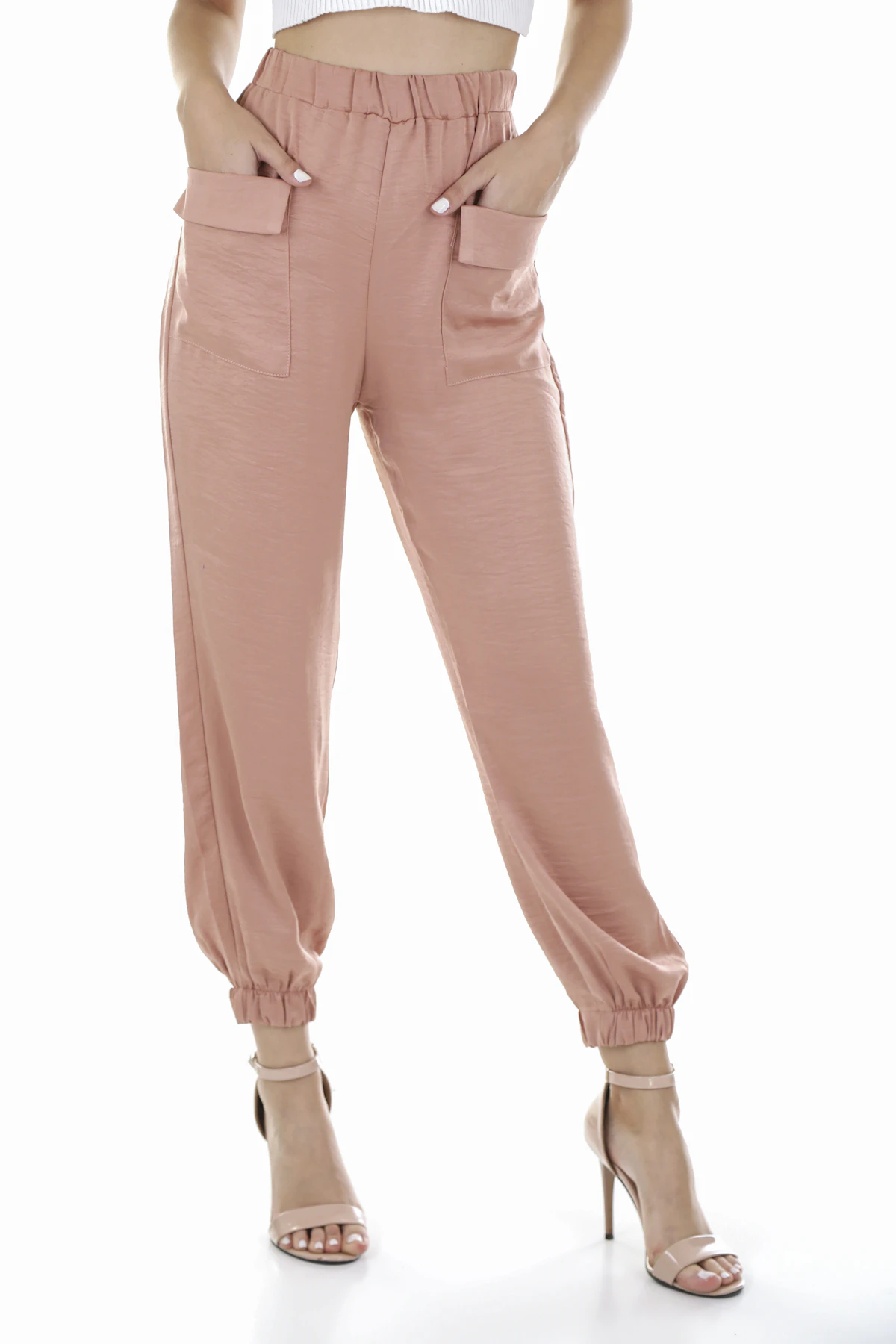
The Five Defining Aesthetics of Late 2026
1. Regal Maximalism: Royal Purple as the Season's Structural Colour
Royal purple is the defining hue of 2026, and its trajectory is unusually legible. It arrived first through spring/summer 2026 collections at Prada, Celine, Valentino and Miu Miu, where it was not an accent but the organising principle of entire runway passages. Rather than dissolving after resort, it carried directly into fall/winter 2026 at Chloé, Ferragamo, Loewe and Tory Burch — a two-season continuity that historically signals a colour becoming a wardrobe fixture rather than a novelty.
Understand what makes purple structurally different from the neutral cycles that preceded it. Purple sits at the shortest visible wavelengths, which means it reads as saturated even in low light and photographs with a density that beige cannot achieve. Historically this is why the pigment carried sumptuary weight: Tyrian purple required roughly twelve thousand murex molluscs per gram of dye, restricting it by economics to Byzantine and Roman elites. Synthetic mauveine, discovered accidentally by William Henry Perkin in 1856, democratised it overnight and triggered the first genuinely global colour craze. Every purple revival since has borrowed that inherited authority, and 2026's version is no exception — it is being worn precisely because it looks expensive before anyone checks the label.
Implementation
There are two credible routes. The monochrome statement — a single-tone violet coat over violet trousers — requires fabrics of identical dye lot or the tonal shift reads as an accident. The safer and, in my view, more elegant route is single-piece punctuation: one violet object against a grounded neutral. A violet leather knee boot under a camel coat, a violet structured bag against charcoal tailoring, a violet cashmere crewneck under grey flannel. Deep eggplant is the fall interpretation now trending alongside true royal purple, and it is the more forgiving of the two on warm and olive undertones because it absorbs rather than reflects surrounding colour.
Where It Fails
Purple in cheap polyester is unsalvageable. The fibre's low dye affinity produces a chalky surface bloom that reads synthetic within a metre. If the budget only reaches polyester, buy the trend in leather, wool or silk accessories instead of apparel.
2. Nostalgic Minimalism: The '90s Slip-Dress Revival
Slinky satin slips, embellished denim, and sensible leather shoes are among late summer's most consequential trends — and critically, they are '90s takes on '70s style rather than direct '90s reproduction. That distinction matters for styling. The 1990s slip dress, as codified by Calvin Klein, John Galliano and the bias-cut work of Madeleine Vionnet before them, was fundamentally about the diagonal grain: cutting fabric at forty-five degrees to the warp allows a woven textile to behave elastically without any elastane content. That is why a properly cut bias slip skims rather than clings, and why a straight-grain imitation puddles at the hip.
Satin is trending early this year, ahead of its customary fall debut, which gives the revival an unusual transitional window. The editorially correct move is layering rather than exposure: a bias slip over a fine-gauge long-sleeve top, or under an unstructured blazer with the hem finishing below the jacket. Embellished denim — beaded waistbands, hand-sewn paillettes, contrast topstitching — is the trend's louder sibling, and it works best when the rest of the outfit is entirely undecorated.
Implementation
- Choose silk charmeuse or heavyweight satin-back crepe over polyester satin: the drape difference is visible at arm's length.
- Check the seam direction at the side; true bias construction shows a diagonal grain when the fabric is stretched gently.
- Anchor the softness with hard footwear — a leather loafer, a square-toe mule, a low block heel — never a delicate strappy sandal.
- Steam, never iron. Direct plate heat on satin creates permanent surface glazing.
3. Expensive Brown: Quiet Luxury 2.0
Chocolate brown is functioning this season as a sophisticated, warmer alternative to black, and it is being styled tonally rather than as an accent. This is quiet luxury's second act — the first was about removing logos, the second is about removing black. Brown flatters differently: it carries less optical weight, so a full brown look reads softer at the shoulder line and warmer against skin, and it photographs with visible fibre texture where black collapses into silhouette.
Deep jewel-toned forest green and 'Neptune' blue-green sit alongside brown as the season's elevated neutral palette. Together they form a four-colour system that requires no bright accents to look complete — which is precisely why it appeals to the buyer building a decade-long wardrobe rather than a season's outfits. Our editors have written at length on this discipline in our guide to brand philosophy and artisanal sourcing at https://bellanbaby.shop/about, which explains how we assess a fabric before it enters an edit.
Tonal Technique
Successful tonal brown depends on deliberate variation in fibre and finish, not in shade. Pair a matte wool trouser with a glossy calf leather belt and a napped suede boot; three different light behaviours in one colour family create depth that a flat monochrome cannot. Avoid matching brown to brown across two different fibre types dyed to the same target shade — the eye reads near-misses as error and exact matches as uniform.

4. Office Siren Meets Coquettecore: The Season's Most Volatile Convergence
Two of the most measurable social aesthetics of the moment are colliding. #officesiren has appeared in over 80,000 posts and describes a crossover between boardroom power dressing and deliberately seductive tailoring — narrow rectangular eyewear, sheer blouses under sharp jackets, pencil skirts cut with intent. Coquettecore, its opposite in temperature, has surpassed 5.7 billion views on TikTok, with Pinterest searches up nearly 10,000% year-over-year, built on pastel, lace, ruffles and bows.
The convergence is more interesting than either aesthetic alone, because each corrects the other's failure mode. Office siren, unrelieved, tips into costume. Coquettecore, unrelieved, tips into infantilised pastiche. Combined — a rigid wool blazer over a lace-trimmed camisole, a grosgrain bow at the nape above a severe collar, ballet pink against ink navy — the result is genuinely contemporary tension: structure holding softness in place.
The One-Ratio Rule
Keep the proportion at roughly eighty percent structure to twenty percent decoration. One bow, one lace edge, one pastel. The moment both aesthetics compete equally, the outfit loses its argument. This is the single most common styling error I see with this pairing, and it is entirely avoidable.
5. Boho-With-Bite: Layered Grunge Maximalism
The season's fifth aesthetic is a harder-edged evolution of Y2K and indie sleaze: intense hardware detailing, leather and laces, pretty flouncy sheers deliberately paired with harder colours, paisley prints and tapestry florals, alongside a resurgence of '90s-grunge-inspired layered-tee styling. Where earlier boho revivals aimed for softness, this one aims for friction — a tapestry floral skirt cut against a studded belt, a sheer blouse over a ribbed tank, three tee layers with staggered hems.
Layering is the technical discipline here. Build from thinnest to thickest, keep each layer's hem visibly distinct by at least four centimetres, and let exactly one print dominate. Mixed prints work when they share either a colour or a scale, never when they share neither.
Fabric, Material & Sustainability Matrix
Trend adoption is only defensible when the material can survive it. The matrix below covers the fibres these five aesthetics actually depend on, with the environmental considerations and maintenance realities our editors apply before recommending anything.
| Fabric / Material | Fibre Composition | Environmental Index & Certification | Maintenance Guidelines |
|---|---|---|---|
| Silk Charmeuse (slip dresses) | 100% mulberry silk, bias-cut | 8.8/10 — biodegradable protein fibre; look for OEKO-TEX Standard 100 and closed-loop degumming | Hand wash cold with pH-neutral soap, roll in towel, steam only; never wring or tumble |
| Satin-Back Crepe | Silk face / viscose reverse blend | 7.4/10 — verify FSC-certified pulp for the viscose component | Dry clean green (liquid CO2 or hydrocarbon); avoid perchloroethylene |
| Italian Wool Flannel (violet tailoring) | 100% virgin merino, 280–340 gsm | 8.5/10 — RWS-certified non-mulesed wool; high dye affinity holds saturated purple | Brush after each wear, steam to reset drape, dry clean twice yearly at most |
| Vegetable-Tanned Calf Leather (boots, belts, bags) | Full-grain calfskin, bark-tanned | 7.8/10 — LWG Gold tannery; avoids chromium VI runoff | Condition quarterly with lanolin-free cream, cedar-tree between wears, never force-dry |
| Chocolate Suede (tonal brown) | Split or reverse calf nubuck | 7.2/10 — LWG-audited; nap traps dust so protect before first wear | Fluoropolymer-free protector spray, brass brush against the nap, no water |
| Cotton Poplin (sharp shirting) | 100% GOTS organic cotton, 120s two-ply | 9.4/10 — GOTS excludes synthetic pesticides and requires wastewater treatment | Machine wash 30°C, line dry to 90%, press damp on cotton setting |
| Recycled Leavers Lace (coquette layering) | Recycled nylon / cotton ground | 6.9/10 — GRS-certified recycled content; nylon remains fossil-derived | Hand wash in a mesh bag, flat dry away from direct heat |
| Embellished Rigid Denim | 100% cotton, 12.5–14 oz, hand-set beadwork | 7.6/10 — prefer laser fading and ozone finishing over pumice stone wash | Wash inside out, cold, every 8–10 wears; hang dry, never machine dry with beadwork |
| Deep Eggplant Cashmere | Grade-A Inner Mongolian, 2-ply 26 gauge | 7.9/10 — SFA-certified grazing land; long fibres resist pilling | Hand wash cold, de-pill with a stone comb, fold flat with cedar |
Building a Late-2026 Wardrobe Across All Five Aesthetics
These aesthetics are not mutually exclusive, and treating them as five separate wardrobes is the fastest route to overconsumption. Nine well-chosen pieces cover all five convincingly:
- A violet or deep eggplant outer layer — coat, blazer, or leather boot depending on your climate.
- One bias-cut silk slip in a neutral or eggplant tone.
- Chocolate brown wide-leg trousers in matte wool.
- A brown suede boot and a brown leather belt with distinctly different finishes.
- A rigid, sharply cut blazer in ink navy, charcoal, or forest.
- One lace-trimmed camisole and one grosgrain hair ribbon.
- A sheer blouse capable of layering over a ribbed tank.
- One print piece — tapestry floral or paisley — in a colour drawn from the neutral palette.
- Two plain cotton tees in different lengths for staggered layering.
Cross-referenced against our seasonal styling reference at https://bellanbaby.shop/lookbook, that nine-piece core produces well over thirty documented outfits. The arithmetic matters more than the novelty: a wardrobe judged by outfit yield per garment is a wardrobe that resists trend anxiety.

What Is Not Worth Your Money This Season
An editor's obligation includes subtraction. Skip full monochrome purple in synthetic fibre, novelty bow hardware in plated base metal that will discolour within a season, and any 'grunge' garment that has been pre-distressed by mechanical abrasion — the damage accelerates and the piece fails within a year. Skip, too, the impulse to buy into all five aesthetics at retail speed. Two executed properly will always read more expensive than five executed approximately.
Frequently Asked Questions
- What is the defining colour of late 2026 fashion?
- Royal purple. It anchored spring/summer 2026 collections at Prada, Celine, Valentino and Miu Miu, then carried into fall/winter 2026 at Chloé, Ferragamo, Loewe and Tory Burch. Deep eggplant is the fall interpretation now trending alongside it, and it is the more wearable of the two on warm and olive skin undertones.
- Is chocolate brown really replacing black this season?
- For daywear and tailoring, largely yes. Brown is being styled tonally as a warmer, softer-reading alternative to black, alongside deep forest and 'Neptune' blue-green as the season's elevated neutral palette. Black remains correct for formal evening dressing, where its optical weight is an asset rather than a limitation.
- How do I wear a '90s slip dress without it looking like lingerie?
- Layer it and harden the footwear. Wear the slip over a fine-gauge long-sleeve top or under an unstructured blazer with the hem finishing below the jacket, and pair it with a leather loafer, square-toe mule, or low block heel rather than a delicate strappy sandal. Choose silk charmeuse or satin-back crepe over polyester satin — the drape difference is visible from a metre away.
- What is the office siren aesthetic, and can it be worn professionally?
- Office siren is a crossover between boardroom power dressing and deliberately seductive tailoring — sharp blazers, narrow eyewear, sheer or lace layering. It reads professionally when the ratio stays near eighty percent structure to twenty percent decoration: one sheer or lace element beneath an otherwise rigid, well-cut jacket, with opaque foundation layers underneath.
- Can I combine coquettecore and office siren in one outfit?
- That combination is one of the season's most interesting moves precisely because each corrects the other's failure mode — structure holds softness in place. Keep it to one bow, one lace edge, or one pastel against otherwise severe tailoring. When both aesthetics compete equally the outfit loses its argument.
- How many pieces do I need to cover all five late-2026 aesthetics?
- Nine: a violet or eggplant outer layer, a bias-cut silk slip, chocolate wool wide-leg trousers, a brown suede boot and brown leather belt in different finishes, a sharply cut blazer, a lace camisole with a grosgrain ribbon, a sheer layering blouse, one print piece, and two cotton tees of different lengths. Judge a wardrobe by outfit yield per garment rather than by trend coverage.
- our brand philosophy and sourcing standards — how our editors assess a fabric before it enters an edit
- the Fall 2026 lookbook — see the nine-piece core styled across the season
- the rise of quiet luxury in 2026 wardrobes — the longer argument behind expensive brown and tonal dressing
- sustainable denim for 2026 — context for the embellished rigid denim in this report