Nolita Weekends
Downtown ease with a refined pulse: Nolita weekends dress modern mothers and children in tactile layers, soft tailoring, and streetwise quiet luxury.

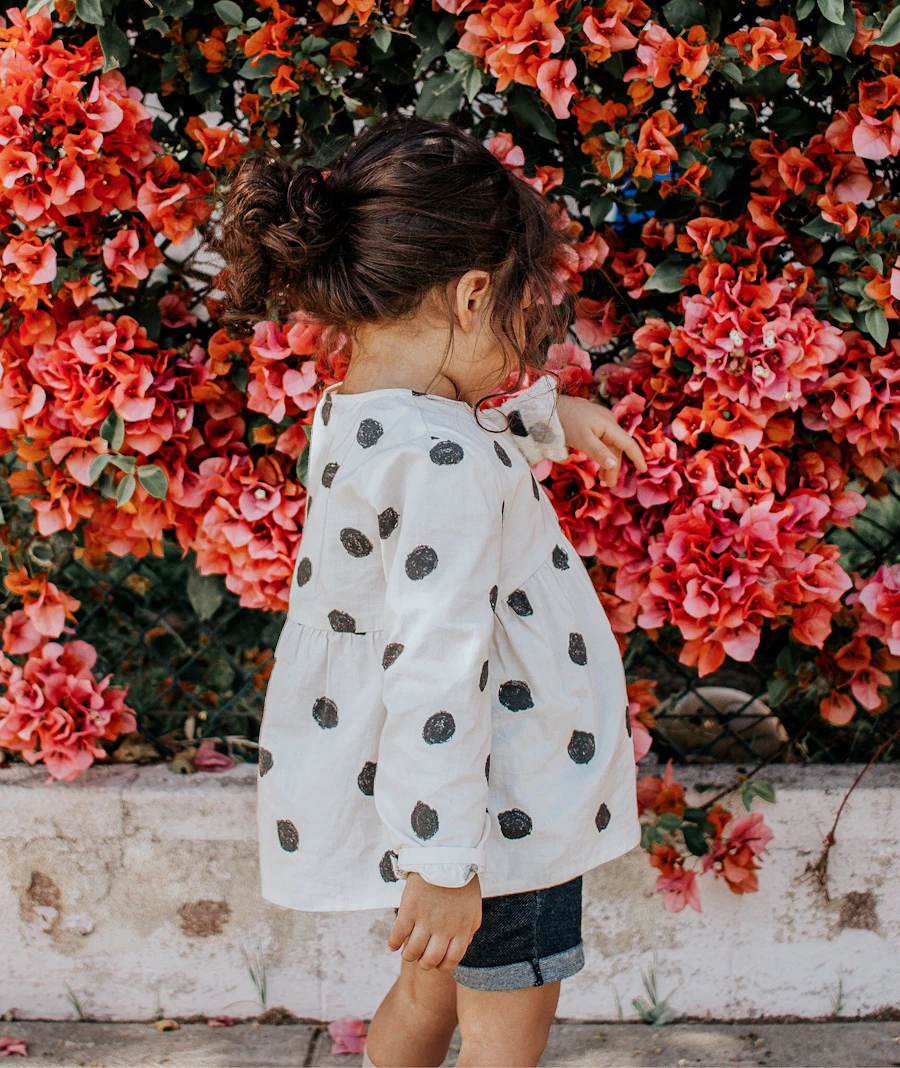
The Nolita Mood: Soft Structure, City Ease
Nolita carries a particular kind of polish—less staged, more lived-in. It is the neighborhood of coffee in one hand, stroller in the other; of narrow storefronts, sun on brick, and clothing that has to move from playground to gallery to late lunch without losing its shape. For modern mothers and children, the look is not performative. It is pared back, tactile, and quietly assured.
Think of a downtown uniform built from organic linen, Pima cotton, gauze cotton, merino, and Japanese selvedge denim: pieces that feel as clean as an apartment with good light. The silhouette stays relaxed, but the proportion is considered. A cropped jacket over a long knit dress. Wide trousers with a close tee. A child in softened tailoring and sneakers that have a little architectural weight.
This is where quiet luxury kids clothing becomes practical rather than precious. The goal is not to dress mini adults; it is to create continuity between movement and elegance. A sustainable baby wardrobe, especially in the city, benefits from restraint: fewer pieces, better cut, richer hand-feel, and colors that work across seasons and siblings.
Why downtown dressing works best in tonal layers
Neutral layering gives a child room to play and a mother room to adapt. A camel cardigan over ivory jersey, a washed black overall against a cream tee, a slate sweater with oatmeal trousers—these combinations read effortless because they are built on contrast in texture, not loudness in color.
In Nolita, where sidewalks are narrow and days are long, tonal dressing also photographs beautifully without seeming curated for the camera. It has the easy authority of clothing that belongs in real life.
- Choose one anchor piece per outfit: a merino knit, a Japanese selvedge jacket, or a boiled wool coat.
- Build around 2-3 tones only: ivory, oat, stone, faded navy, olive, or washed black.
- Favor fabrics that soften with wear rather than show it.
- Let one item carry structure while the rest stays fluid.
- Keep shoes simple and durable: suede sneakers, leather sandals, or low-profile boots.
Fabric First: The Materials That Make Weekends Feel Effortless
The difference between ordinary and elevated children’s streetwear is often the fabric. Organic linen breathes through warm subway platforms and park hours; Pima cotton stays smooth against sensitive skin; merino regulates temperature when the afternoon turns cool. For mothers, silk-cotton and cashmere offer the same ease, with a more refined drape.
Heirloom premium childrenswear is not only about longevity in the sentimental sense. It is also about durability in daily use. Italian wool and boiled wool hold shape in coats and overshirts. Peruvian alpaca brings a dry, featherlight warmth that feels especially good when layered over cotton. Gauze cotton, with its slightly rumpled finish, gives a weekend look that relaxed, urban softness Nolita does so well.
The tactile mix matters because city life is tactile: bench edges, car seats, stroller handles, museum floors. Clothing should meet that reality with grace.
| Fabric | Best Use | Why It Works |
|---|---|---|
| Organic linen | Overshirts, dresses, trousers | Breathable and relaxed with natural texture |
| Pima cotton | Tees, bodysuits, basics | Soft, resilient, and gentle on skin |
| Merino | Light knits, layering pieces | Temperature-balancing and refined |
| Japanese selvedge | Denim jackets, small pants | Structured, durable, and beautifully aging |
How to Style Mother and Child Without Matching Too Hard
The most modern family dressing avoids literal matching and leans instead toward visual conversation. A mother in a navy silk-cotton shirt and ecru trousers can echo her child’s indigo denim and cream sweatshirt without looking staged. The connection is in the palette, the weight of the fabric, and the ease of the line.
This approach suits toddler streetwear style especially well, because children need mobility more than symmetry. A toddler in a boxy boiled wool overshirt, elastic-waist pants, and a ribbed beanie feels current and practical. The mother can mirror that attitude with a long coat, straight denim, and clean leather sneakers. Nothing is overworked; everything is intentional.
For downtown weekends, the best styling trick is to offset softness with one sharper element—perhaps a crisp collar, a utility pocket, or a cuffed hem. It keeps the look urban rather than overly sweet.
- Pair one tailored piece with one relaxed piece for each outfit.
- Repeat a color family, not the exact garment, between mother and child.
- Use texture to create interest: ribbed knits, brushed wool, washed denim, matte leather.
- Keep logos minimal or absent to preserve the editorial calm.
- Choose outerwear that frames the silhouette instead of overwhelming it.
The Capsule: What Belongs in a Nolita Weekend Wardrobe
A strong weekend capsule is edited, not sparse. It should support the unplanned: brunch that becomes an afternoon walk, a museum stop, a grocery run, an impromptu visit uptown. The smartest pieces are the ones that layer without thought and recover well after wear.
For mothers, this might mean a merino crew, a silk-cotton shirt, a long boiled wool coat, straight-leg denim, and one soft trouser in Italian wool. For children, consider Pima cotton tees, a gauze cotton shirt, organic linen overalls, a cashmere cardigan, and one great pair of everyday shoes. These pieces create a sustainable baby wardrobe and a child capsule that can stretch from one weekend to the next.
The beauty of heirloom premium childrenswear lies in its editability. Each item should be useful enough for now and special enough to save.
| Category | Mother | Child |
|---|---|---|
| Top layer | Boiled wool coat | Merino cardigan |
| Base layer | Silk-cotton shirt | Pima cotton tee |
| Bottom | Straight-leg denim | Organic linen trousers |
| Finish | Leather sneaker | Suede sneaker |
Practical City Dressing: Weather, Transit, and Real Life
Nolita weekends demand clothing that understands the weather map of New York. Morning chill, noon heat, evening wind—each shift can undo an outfit if the fabrics are too delicate or too rigid. Layering is not simply aesthetic; it is strategy.
A stroller basket should hold a spare gauze cotton layer, a lightweight hat, and a thin merino scarf. For rain, choose treated outerwear that still breathes. For sun, favor longer sleeves in linen rather than synthetic coverage. The most elegant parents are often the most prepared, but their preparedness remains invisible.
Children benefit from the same discipline. Clothes should be easy enough for quick changes, resilient enough for lunch spills, and soft enough for naps on the way home. That is the real luxury: ease without compromise.
- Pack one extra top and one lightweight layer for each child outing.
- Select closures that are simple: snaps, zips, elastic waists, easy buttons.
- Avoid fabrics that cling or wrinkle aggressively in heat.
- Choose a shoe that can handle sidewalks and a playground without a change.
- Keep a compact tote stocked with wipes, socks, and a spare knit cap.
Color and Contrast: A Downtown Palette That Feels Current
Nolita color is rarely bright for brightness’ sake. It is mineral, washed, and slightly diffused—like light reflected off stone and storefront glass. Cream, oat, charcoal, faded indigo, moss, and clay create a wardrobe that feels sophisticated without becoming severe.
For children, a softened palette lets personality come through in gesture and movement rather than spectacle. A rust beanie against a beige coat. A slate sweatshirt with cream trousers. A muted olive dress under a navy knit. These combinations feel contemporary because they are legible at a glance and subtle up close.
The downtown eye responds to restraint. When color is used sparingly, the quality of the cut and the hand of the fabric become the focal point.
| Color | Mood | Best Pairing |
|---|---|---|
| Ivory | Clean, luminous | Camel, navy, stone |
| Oat | Soft, grounded | Olive, charcoal, indigo |
| Faded navy | Urban, calm | Cream, rust, slate |
| Moss | Modern, natural | Black, ecru, denim |
Editors’ Note
I have always been drawn to clothes that feel like a beautiful Saturday morning—unforced, tactile, quietly assured. Nolita has that energy for me. It is a neighborhood where style is observed in motion: a child’s sleeve pushed up, a mother’s coat left open, a scarf tied without fuss. When I curate for Bella & Baby, I think about how garments live with a family, not just how they photograph. I look for softness that holds its shape, structure that never feels stern, and fabrics that become more meaningful with time.
There is a particular pleasure in finding pieces that bridge modern motherhood and childhood without collapsing into sameness. A good wardrobe should allow both freedom and distinction. That balance—between ease and intention—is what makes downtown dressing feel timeless to me.
A final note on longevity
The best garments in a child’s closet are the ones that can be handed down without feeling dated. That is where the romance of design meets the ethics of purchasing well.
If a piece can survive one season of wear, one wash cycle too many, and still look beautiful on another child, it belongs in the wardrobe.
- Choose construction before trend.
- Invest in fewer, better layers.
- Wash with care to preserve hand-feel and shape.
- Store knits folded, not hung.
- Let the wardrobe evolve slowly, season by season.
Nolita weekends are not about dressing up for the city; they are about dressing so well that the city feels easier. When clothing is cut with restraint, chosen for touch, and layered with a sense of rhythm, mothers and children move through downtown with the same quiet confidence. That is the real New York luxury: garments that support a life in motion, then soften beautifully at day’s end.